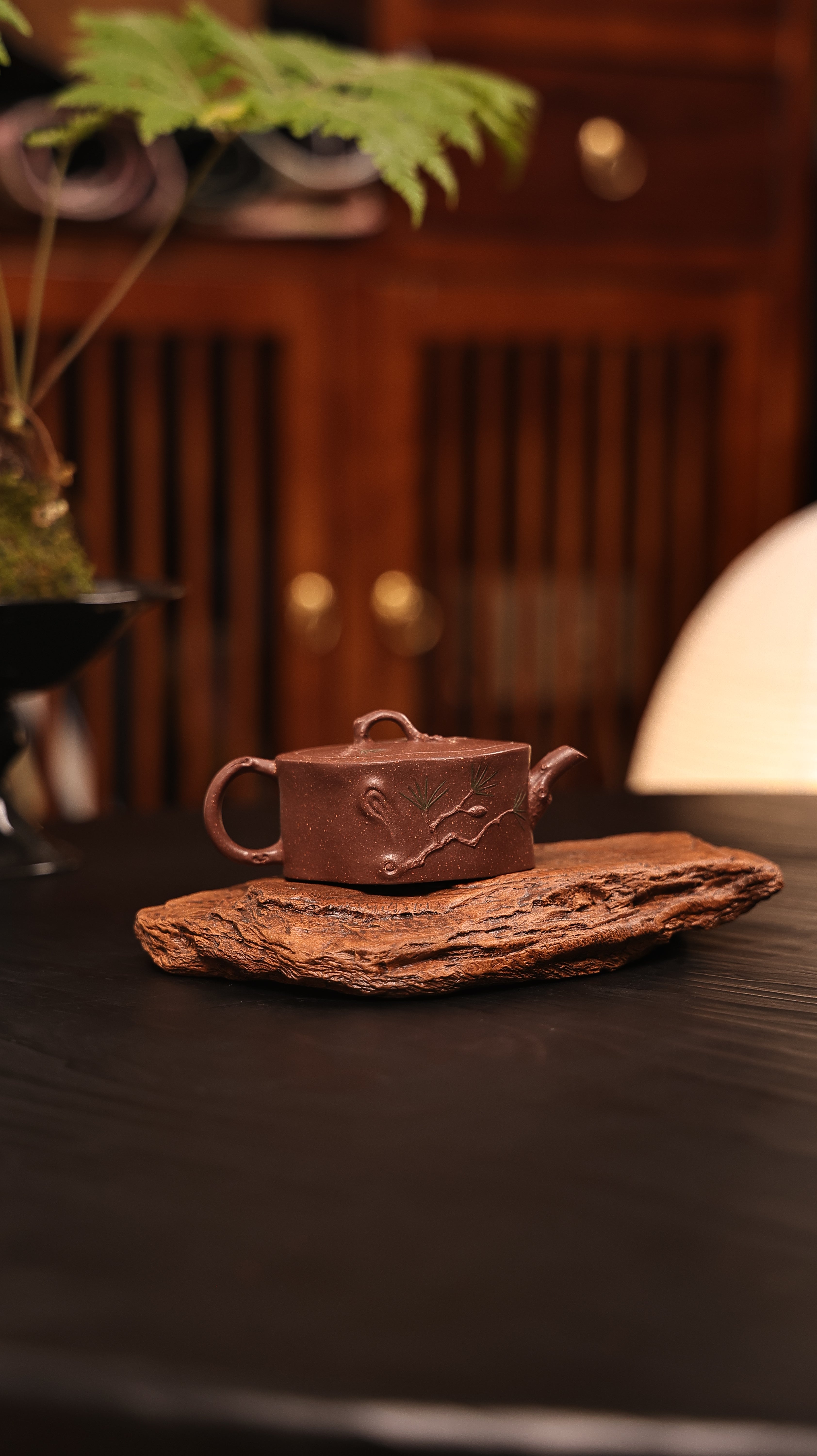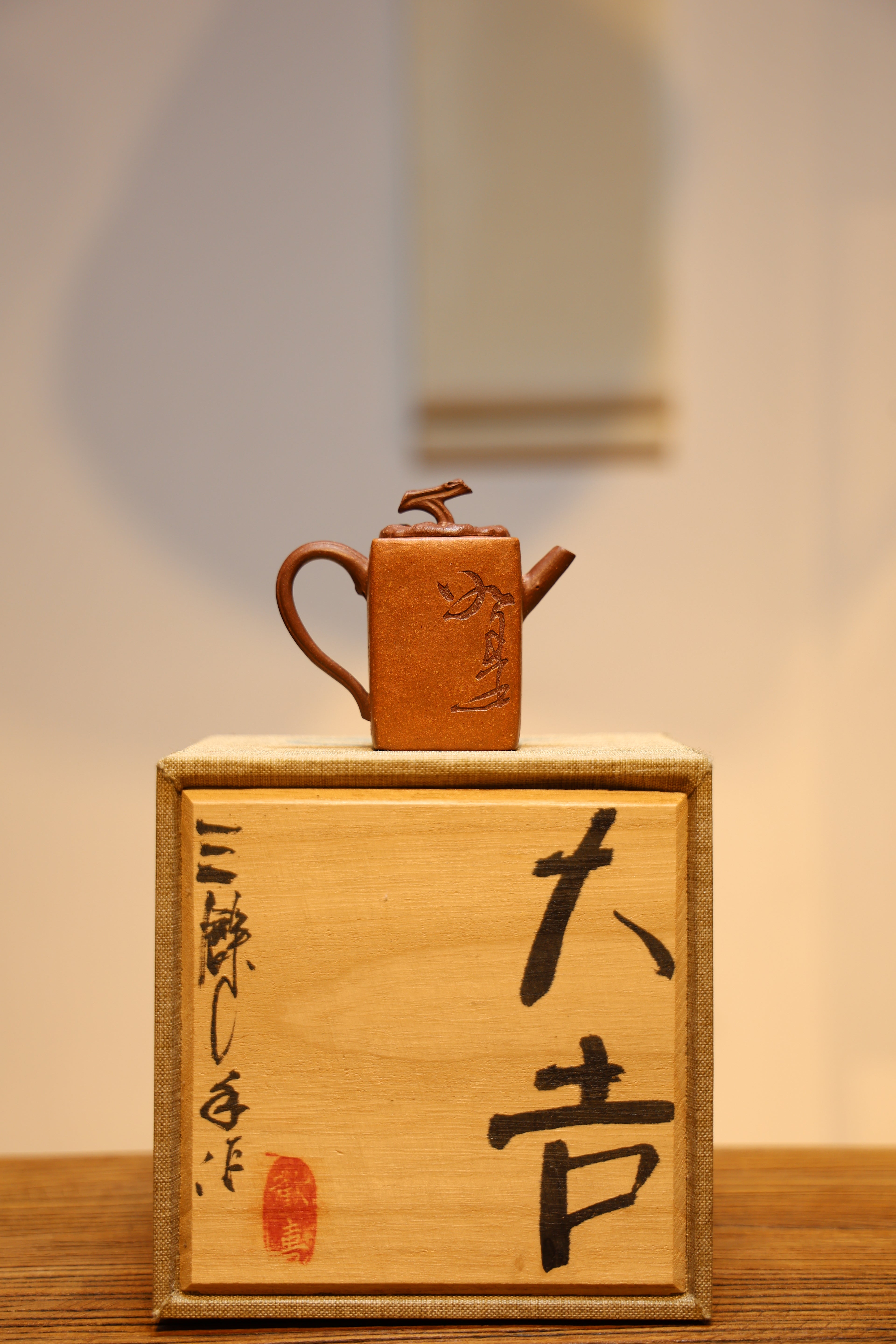
Epochs of connoisseurs have yearned the exclusive allure of Yixing Zisha kettles. Emerging in the cozy town of Yixing, the state, these containers are produced from a uncommon and mined purple clay distinguished for its unmatched thermal characteristics and aptitude to boost the taste of tea. Besides their utilitarian benefit, Zisha teapots embody a profound legacy foundation, turning them extremely treasured and a undisputed jewel for any serious teapot connoisseur.
Discovering Yixing Vessels
These teapots display a extraordinary blend of history and seasoned craftsmanship. Hailing in Yixing, Jiangsu Area of China, their narrative commences in the Ming Dynasty, although signs suggest earlier iterations. The rare maroon clay, called Zisha, found solely in the Yixing region, is the principal component, contributing to the pots' outstanding heat retention and the manner they shape the flavor of tea. Continuums of potters have enhanced techniques—often bequeathed through families—including molding the clay, applying detailed embellishments, and firing the pots at regulated temperatures.- Traditionally, Yixing teapots were often beautified with simple designs.
- Eventually, more refined carvings and symbolic motifs became usual.
- The thermal curing itself is a critical element, requiring prolonged intervals of experience.
Collecting Zisha Teapots: Crucial Checkpoints
Initiating a campaign to accumulate Zisha containers can be satisfying, but it’s required to understand what to seek. Authenticity is principal; focus on the material’s natural pigment, a gentle reddish-brown is standard. copyrightine the structure; genuine Zisha has a characteristic tactile sensation, often characterized as slightly bumpy. The design should be attractive and consistent with conventional styles, while maker’s marks, if present, require precise copyrightination for veracity. Don’t delay to consult with expert connoisseurs or dependable references – their perception is immeasurable.
Renowned Vessels: copyrightining the Practice of famous Ceramics
Ages have seen Yixing Zisha Clay teapots retain a notable role in Chinese arts. These artfully designed pots, sourced uniquely from the district of Yixing, are acclaimed for their characteristic complexion, texture, and their ability to improve the flavor of infusions. Several collectors value antique Yixing teapots, appreciating them profoundly not only for their aesthetic grace, but also for the heritage they express.
Yixing Zisha Teapots: The Best Types and Their Details
Yixing Zisha teapots, originating from the renowned district of Yixing, the country, are noted for their singular clay and superb brewing qualities. Among the countless Zisha types, notable classes that are highly admired include Huiwan. Binzhou, known for its rich purple shade and fine texture, delivers a mild flavor. Duan Ni category, recognizable by its mahogany color and moderately grainy feel, is considered to enhance tea’s body. Lastly, Zhuni class boasts an unique ruby tone and can give a sweet nuance. Each category grants a unique experience, making them considerably desirable between drink enthusiasts.
Brewing Perfection Specific Pottery Vessel
To unlock the virtue of your Yixing pot, understanding the correct means is critical. These clay containers, celebrated for their openness, will incrementally develop the nature of the tea you infuse within them. Begin by washing the urn thoroughly with heated water. Then, use only high-quality fresh leaf tea, as lower quality options can harm the object’s delicate essence. Always allow the leaves to bloom completely, and remember that with each brewing, your Yixing urn will become ever appreciated.
Preserving Your Beloved Zisha Item
Proper care for your Zisha container is essential to safeguarding its beauty and merit. Zisha clay, celebrated for Yixing Teapot its unique shade and texture, requires attentive handling. Never use intense chemicals, as these can wreck the glaze. After every employing, rinse the kettle with moderate temperature water and allow it to dry completely.
- Eschew soaking the urn for extended times.
- Sometimes use a soft cloth to buff the exterior.
- Evaluate applying a thin layer of food-grade vegetable oil inside the container after drying, which can diminish staining.
Basics of Yixing Vessels
Yixing earthenware, originating from the Yixing sector in Jiangsu Province, within China, are celebrated for their distinctive properties. Fabricated from the unique purple soil known as Zisha, these jars are prized by liquid enthusiasts worldwide. This guide will gently explain the essentials – covering categories of Zisha clay, common shapes, and crucial care notes. Understanding the roots of Yixing teapots can deepen your appreciation for this time-honored copyrightple of Far Eastern civilization.
Fabrication of Chinese Clay Pots: Spotlighting Zisha native to Yixing locality
Zisha clay from Yixing City represents the zenith of Zhongguo earthenware design, exhibiting a rare compound of elemental beauty and valuable artistry. These celebrated pieces are honored for their rich color palettes, often spanning dark purples and brown hues to gentle greys and pale beiges. The particular mineral composition of the area’s Zisha ground imparts a signature texture and generates a satisfying aroma that elevates the complete brew experience, rendering them highly sought-after collectibles and integral components of any serious tradition.